
SKURRAY FLURRY
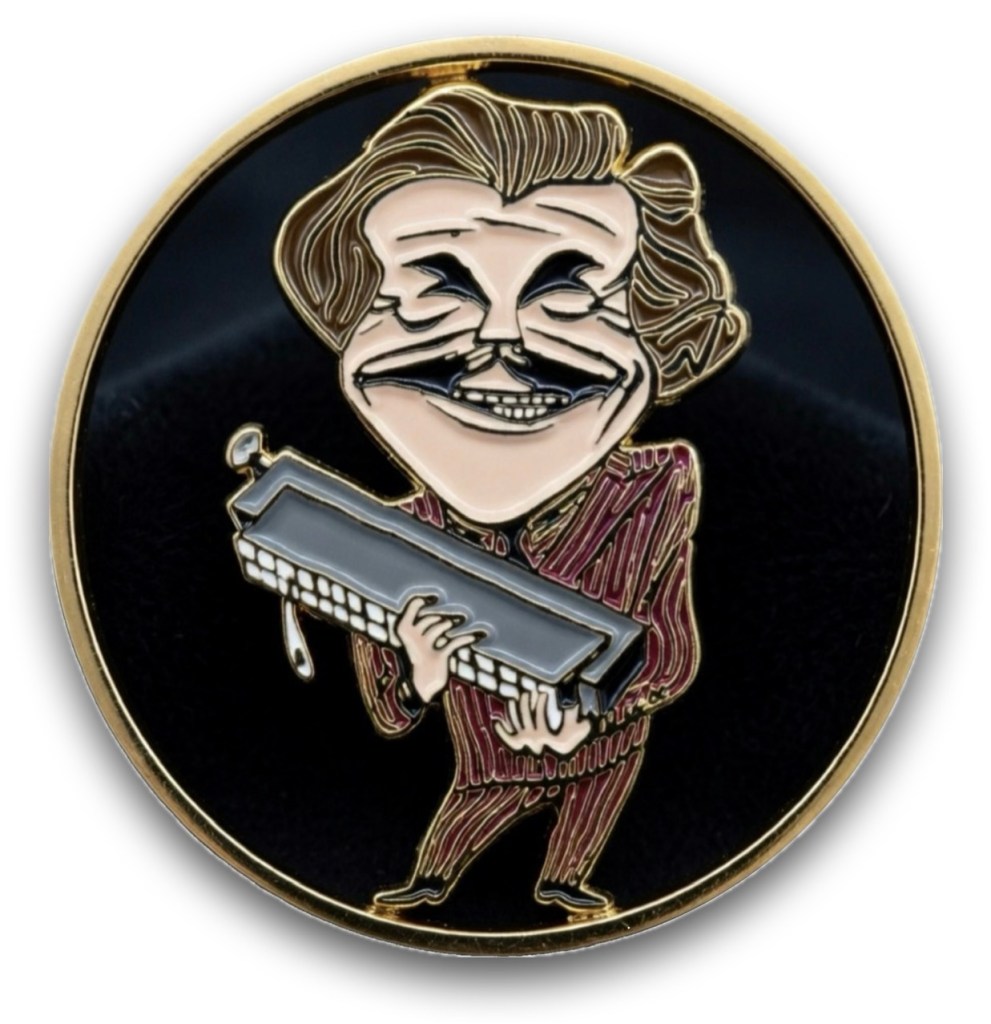
Bruce Walter Skurray was born in Jamestown, South Australia on the 26 July, 1922. He was the son of Joseph Clement Skurray the local Bootmaker and renowned vocalist. When six years old Santa placed a Boomerang mouth organ in Bruce’s stocking. At nine years of age he visited Moonta with his father Joseph and competed in a junior mouth organ competition and won scoring 95 out of a 100. Around this time he received 99 marks for his rendition of Abide With Me at an Open Adelaide Eisteddfod which astonished adjudicator Dr. A Floyd.
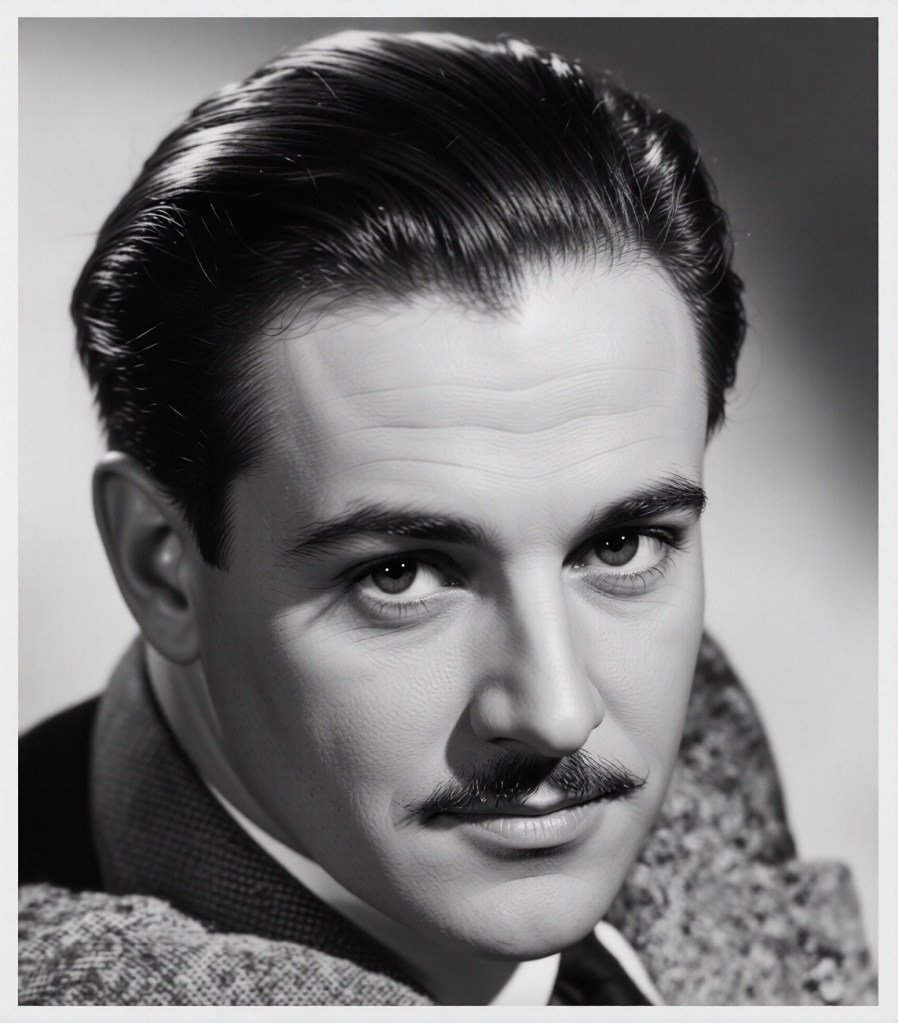
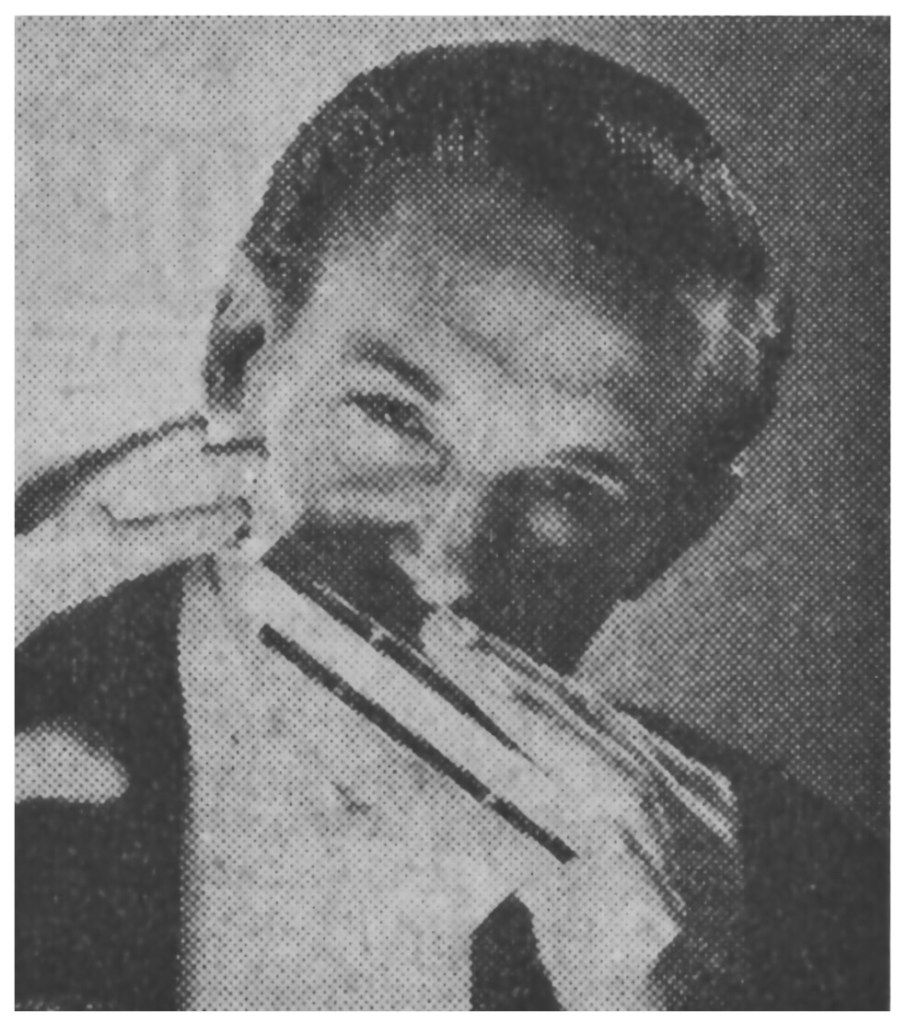
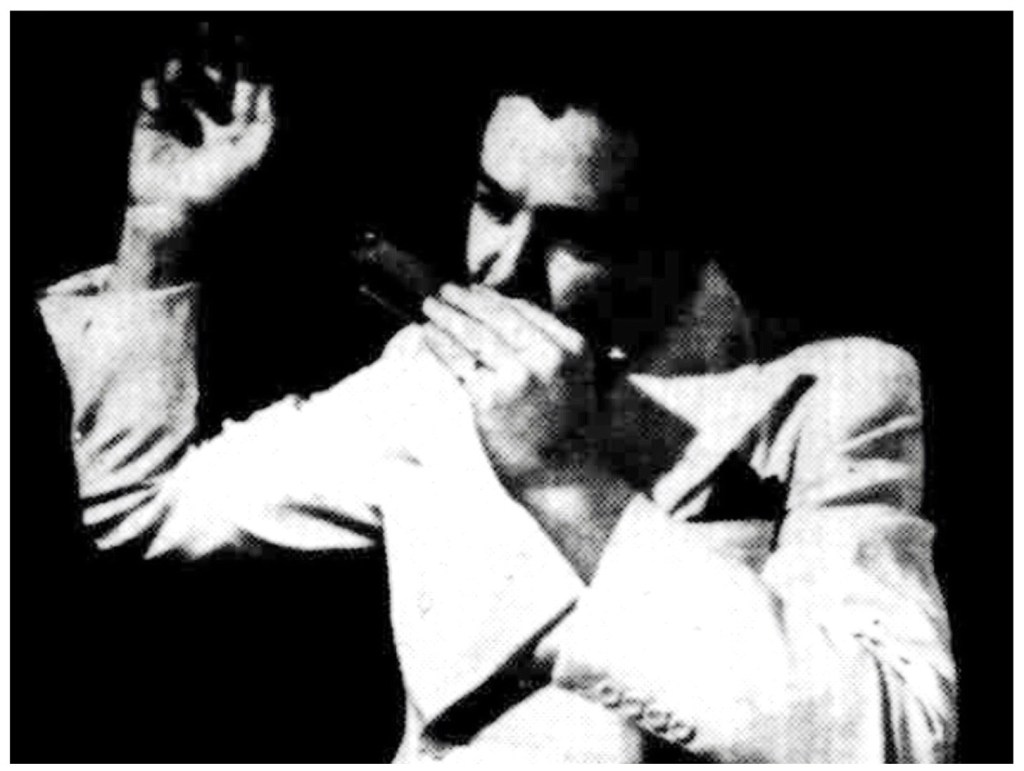
He learnt the violin when he was eighteen and gained an understanding of musical theory. Armed with this extra knowledge he would apply this to his instrument of choice, the Chromatic Harmonica. His progress was interrupted in 1944 when he enlisted in the RAAF as a leading aircraft man.
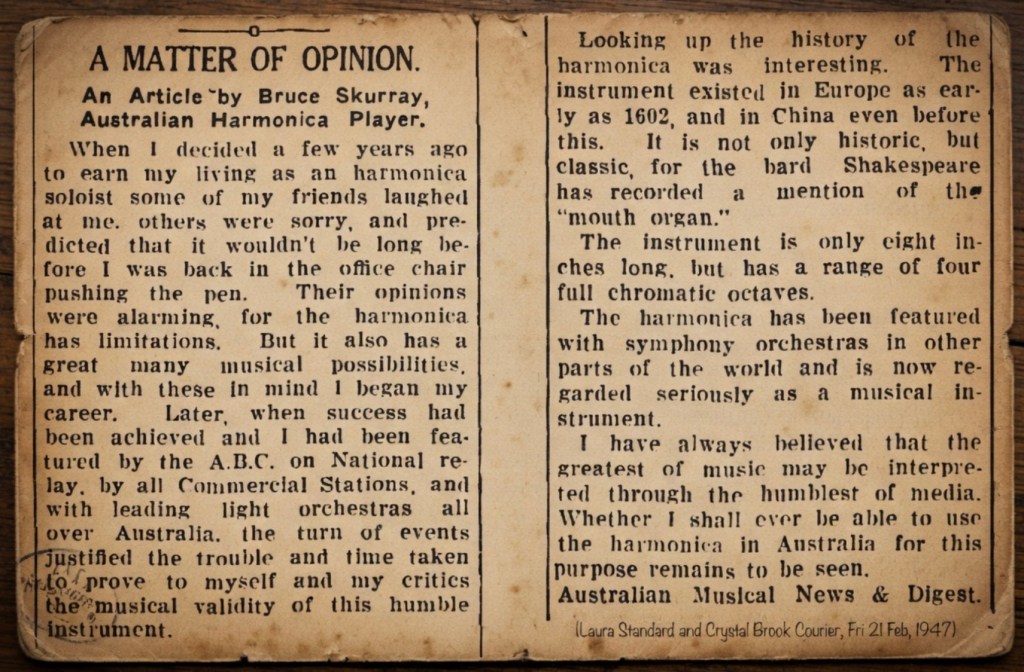
On his discharge in 1945 he competed in Australia’s Amateur hour where he performed the Blue Danube. He won polling over four thousand votes. At one time he had a contract with the ABC and performed both the Tivoli and State theatres.
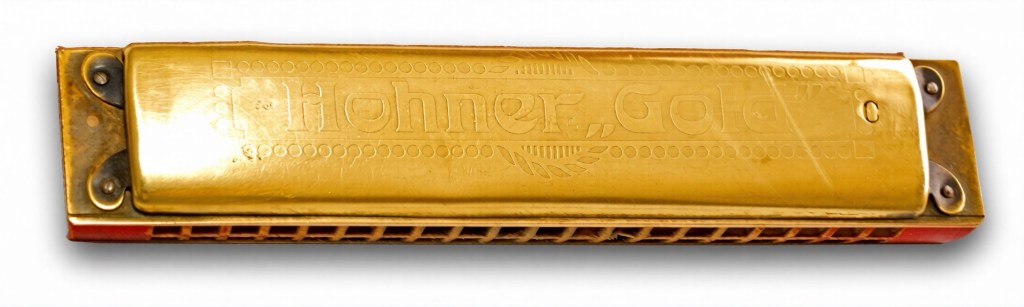
In 1946 (1948 & ’49) Bruce was appointed adjudicator of the Boomerang harmonica section in the Sydney Eisteddfod. He also acquired a gold plated Hohner harmonica brought back from Germany by one of his old R.A.A.F buddies. During 1947 he toured New Zealand and was acclaimed Australia’s harmonica champion.
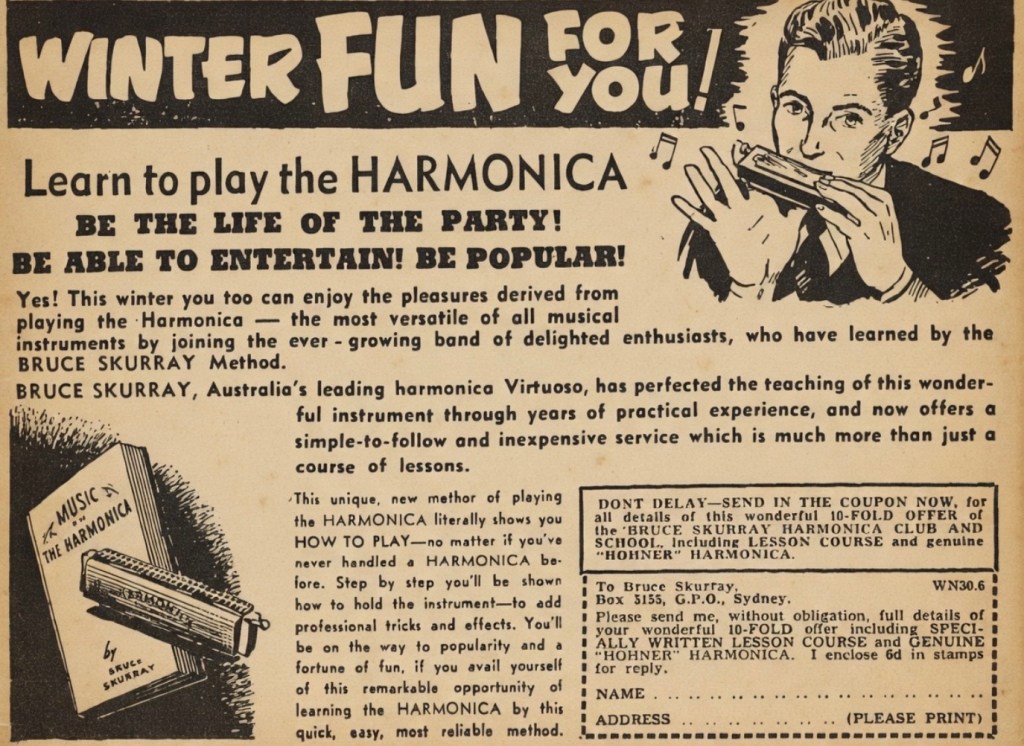
Bruce had also represented Hohner in Sydney Australia and had his own harmonica course which came with a Hohner harmonica. In the 1950’s he led a trio which regularly broadcast live on the National broadcast carrier. This wasn’t a harmonica trio. Bruce was accompanied by piano and guitar.
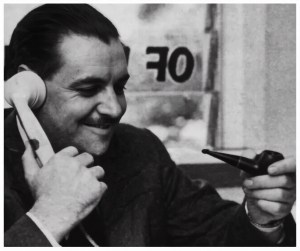
In 1958 Bruce was in Sydney with his own real estate business in Pymble. He specialised in shifting old houses, haunted houses, unusual houses and even hideous houses with some character that could be reclaimed.
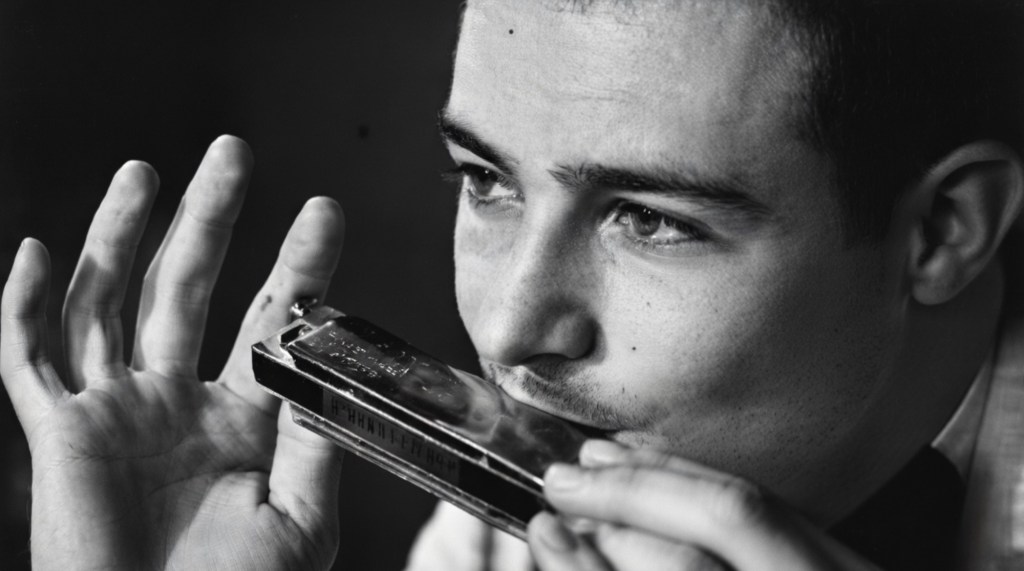
RADIO POP HARP
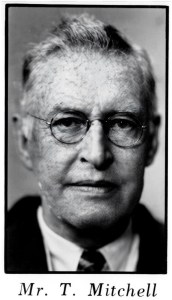
(? November 1877 – 16 November, 1939)
Here, There, & Everywhere by Jonathan Swift
Claims of other conductors to the title of pioneer of the mouth-organ bands in Victoria were sternly refuted yesterday by Mr. Tom Mitchell, conductor of Brunswick Harmonica Band. “In 1893,” he told me, “I started three mouth-organ bands, at Guildford, Elphinstone and Campbell’s Creek, near Castlemaine. We had 26 players in each band, and they were mostly youngsters — but how they could play? The youngest performer was about eight.
He was Syd. Mucksworthy, and though he’s got ‘the Rev.’ in front of his name today he still remembers the nights we used to have.” Mr. Mitchell used to buy mouth-organs for his country bands at 6d to 1/ each. “And you couldn’t buy their like today for £1,” he says.
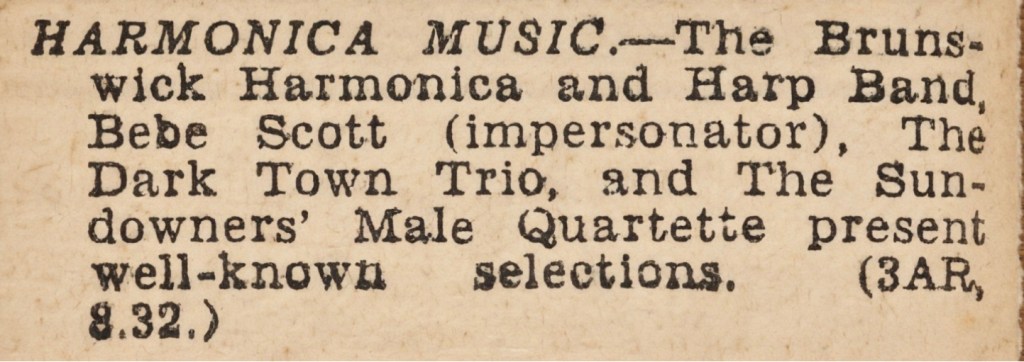
Mr. Mitchell’s sons, James and John, hold the mouth-organ duet championship of Australia, and Mr. Mitchell himself claims to have been the first mouth-organist to broadcast in Victoria.
The Sun News-Pictorial (Melbourne, Vic.) Wed 24 May 1933
Tom Mitchell was indeed a pioneer of the mouth organ and mouth organ bands in Victoria. In his place of birth Campbells Creek, where he was employed as a wool finisher he established one of the first such bands aged sixteen. Having been involved in forming bands in the final decade of the nineteenth century Tom was also a bandsman in the 8th Infantry Regiment for fifteen years from 1893 – 1908.
He would be prominent in the resurgence of the mouth organ band movement after WWI and into the 1930’s. He was a popular bandmaster of the successful Brunswick Harp & Harmonica Band (Equal Second – South Street 1933 National Championships), Bentleigh Harmonica Band, Radio Harp & Harmonica Band (Third – South Street 1937 National Championships) and just prior to his demise the Springvale Mouth Organ Band.
Sydney James Muxworthy (correct spelling), who is referred to in the above article was the Anglican minister at Dingley in the late 1960’s.
I think he had a bit of a disdain for Geelong West conductor Joseph Saunders as I believe he was referring to him regards the claim he had the first mouth organ band and then the subsequent band challenge that ensued.
Harmonica Band Challenge
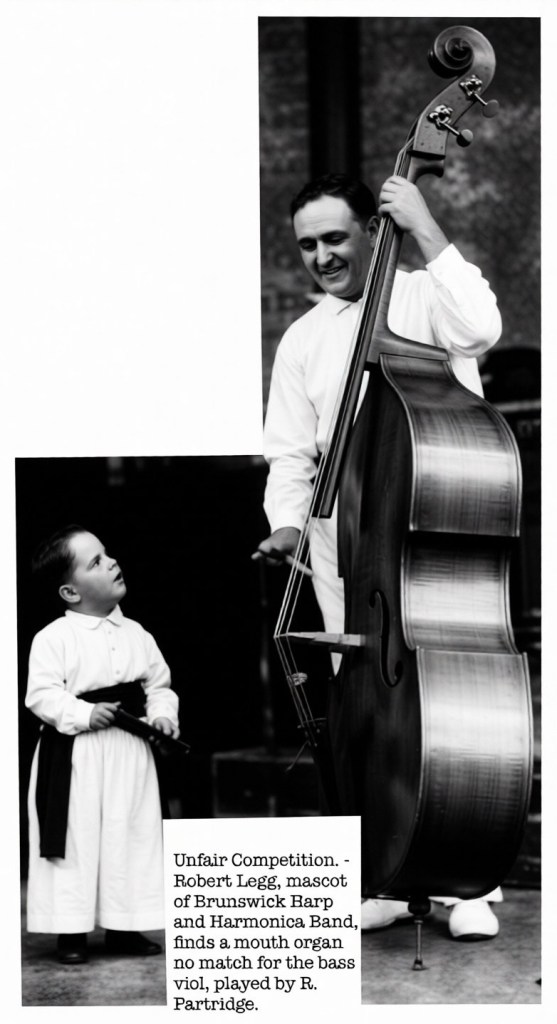
We—the Brunswick Harp and Harmonica Band – dispute the claim of Geelong West Harmonica Band that it is a better band than any of those that competed at West Geelong on Easter Saturday for the State championship. We got second place, being beaten only by two points, and played only 14 members as against 24 in the other bands. We hereby challenge Geelong West Band to play for the championship of Australia, the title it won on September 25, 1930 – some months before our band was formed.
Will West Geelong kindly reply to reply to this challenge? – Yours. etc..
A. PARTRIDGE Hon. Sec.
The Sun News-Pictorial (Melbourne, Vic.) Sat 30 Apr 1932
Broadcast Music Challenge That Failed
Brunswick Harmonica Band has challenged West Geelong Harmonica Band to play over the air in a championship contest. West Geelong won the championship in open competition, but the Brunswick players claim that they are a superior organisation and are eager for a radio audience to confirm that view. A contest had been arranged for tonight, but as the bands could not agree on an adjudicator, it lapsed. Still anxious to be heard, Brunswick band will play from 3DB at 8 this evening.
The Sun News-Pictorial (Melbourne, Vic.) Sat 27 Aug 1932
School Band
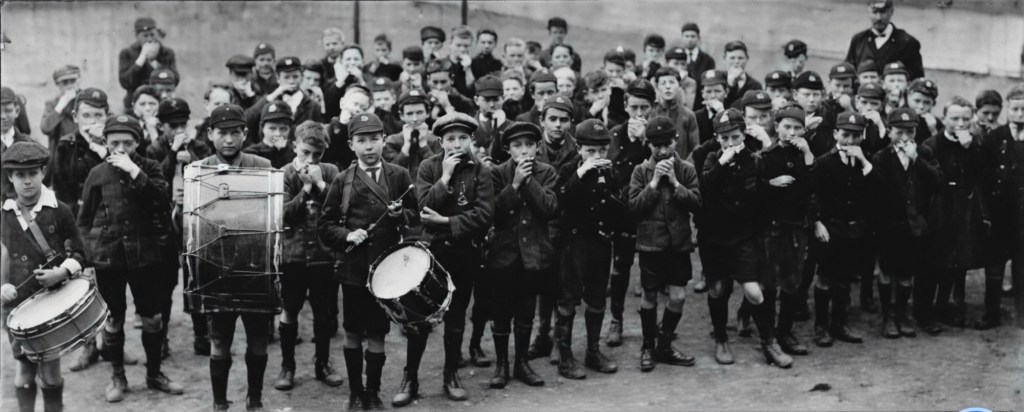
I’m thinking Mr. Mitchell, who formed and is in charge of the Northcote State School Mouth Organ Band of 1924 is more than likely Pop. He’s pictured back right.
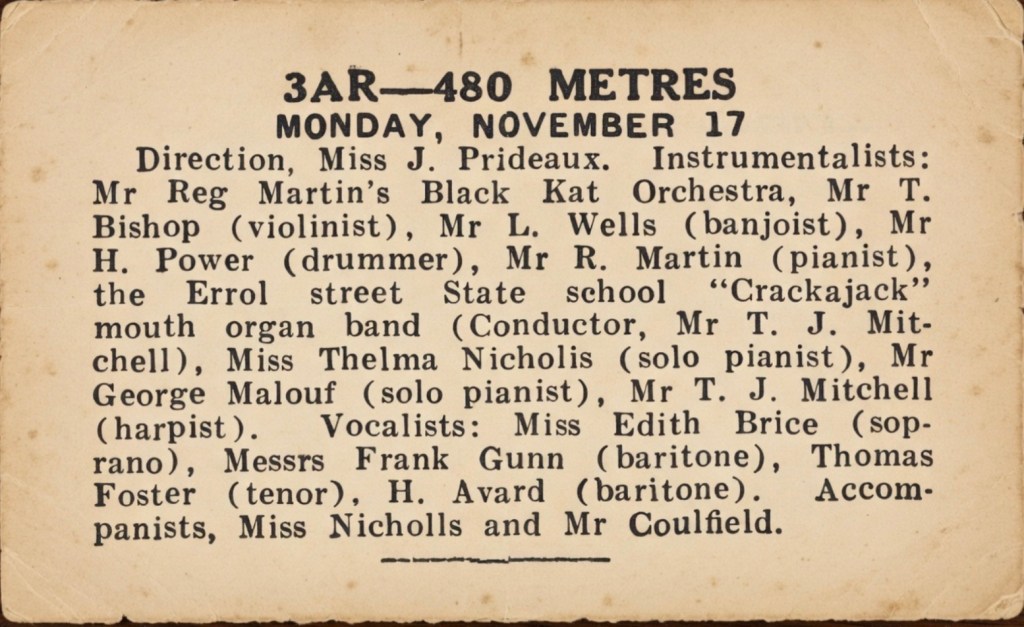
He’s also the conductor of the Errol Street State School Crackajack Mouth Organ Band that appeared on radio 3AR in November of 1924. This was the inaugural year of radio in Melbourne and this would make them one of the first such bands to appear.
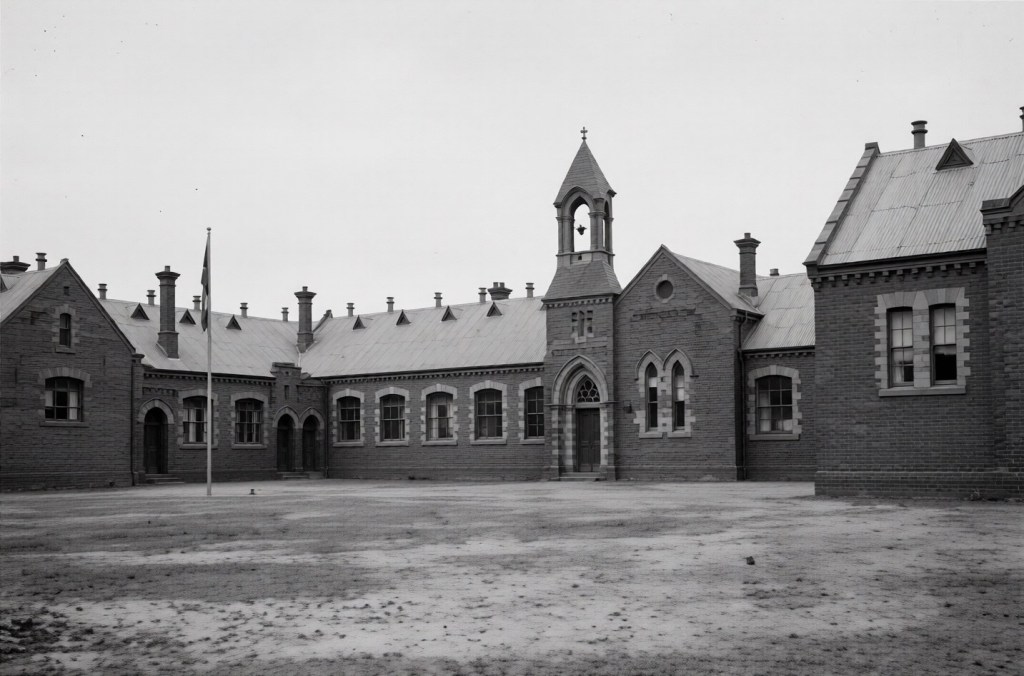
PARTY ROOM HOT AIR
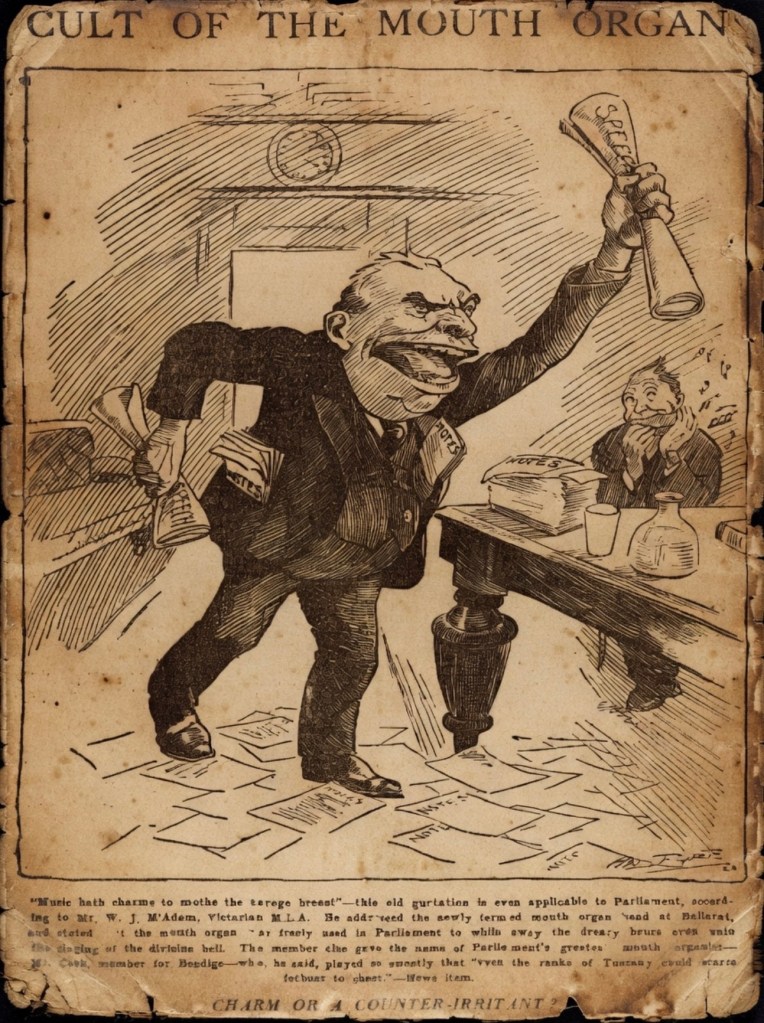
The cartoon reads;
“Music hath charms to soothe the savage breast”—this old quotation is even applicable to Parliament, according to Mr. W. J. M’Adam, Victorian M.L.A. He addressed the newly formed mouth organ band at Ballarat, and stated, that the mouth organ is as freely used in Parliament to while away the dreary hours even unto the ringing of the division bell. The member also gave the name of Parliament’s greatest mouth organist – Mr. Cook, member for Bendigo – who, he said, played so sweetly that “even the ranks of Tuscany could scarce forbear to cheer.”—News item.
CHARM OR A COUNTER-IRRITANT?
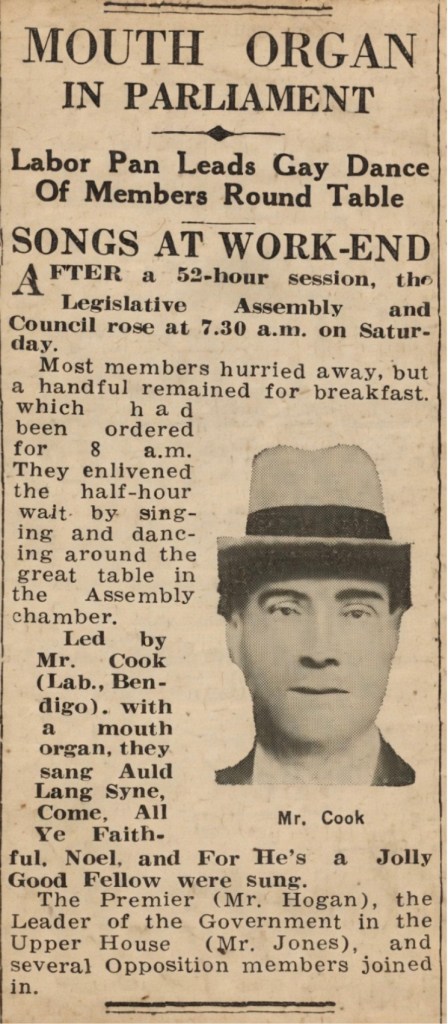
Early Mouth-Organists
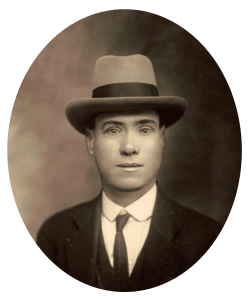
We may yet hear the Speaker of the Legislative Assembly asking Mr A. E Cook, the member for Bendigo, to while away the tedium of an all-night sitting by giving solo on the mouth-organ. Yesterday was Mr Cook’s birthday, and he had surprise visit from Richmond dentist, who was a fellow member of his in what is claimed to have been the first mouth-organ band formed in Australia. It began its harmonious career at Bendigo in 1902 with Mr Cook as a soloist and was Mr A. E Cook, M.L.A. known as the ANA though it had no official connection with the Australian Natives’ Association. The dentist brought along a group photograph of the band. In it Mr Cook, quite a nice young chap, is wearing a “straw decker,” and so are a dozen others. The remainder of the 24, who include a kettle drummer, wear bowlers, caps and felts. Those young musicians of the infant century are now scattered far and wide. How would they not like to assemble again to recapture the first fine careless rapture of “After the Ball” and “The Bicycle Built For Two.” (The Herald, Melbourne, Vic. Friday 8 September 1933)
Please check home page for copyright details.


Love these in depth dives Shep. What always fascinates me is the fact the harp can be adopted when you are so very young. And also the skills that youngsters accomplish at an early age too. I can’t think of another instrument that does that. Comb and paper doesn’t quite qualify does it. Nor those kazoo things we had for Christmas. 😊
Great details, relevant information and knowledge as always Shep. Cheers. 🙏🏽🍁🍂
LikeLiked by 1 person
Thanks for dropping by Gray and your positive words. Was wondering about you and how you were travelling? Chiz S 🐾
LikeLiked by 1 person
Cheers Shep.
I had a big back tooth out last Tuesday. An XRay showed that it had an abscess underneath. That’s why I got hit sideways illness wise and slept for days. Antibiotics taken and then out, I feel better and just waiting healing. It’ll take a while as it ‘dry socketed’. So have been watching with care….but getting it’s there.
Currently in Yorkshire on holiday. So breathing in beautiful air.
Old age and teeth! Not the best of friends sometimes. Holidays? Better. All the best Shep. 🙏🏽🍁🍂
LikeLiked by 1 person
I liked this, but I don’t. I’m dreading a visit! 🦷 😞
LikeLiked by 1 person
I had it break months ago. It got repaired, but maybe it was compromised and hiding something. I don’t mind dentists at all. Never get the injection. But did do last week. Just glad it is all over.
Get some of those Bach stress relief remedy drops and it’ll get you chilled. Wondering now how teeth affect harp playing. Google here we go! 😉
Cheers Shep.
LikeLiked by 1 person